
Rivet Guns
Hand and lazy-tong tools for setting blind rivets
A rivet gun has one job — pull the mandrel hard enough and straight enough that the rivet body forms a proper head on the blind side, then snap the mandrel cleanly. Whether it does that reliably comes down to jaw quality and jaw alignment, and it is exactly where cheap tools give up.
Stocked in Bengaluru · Special sizes made to order · Bulk rates available
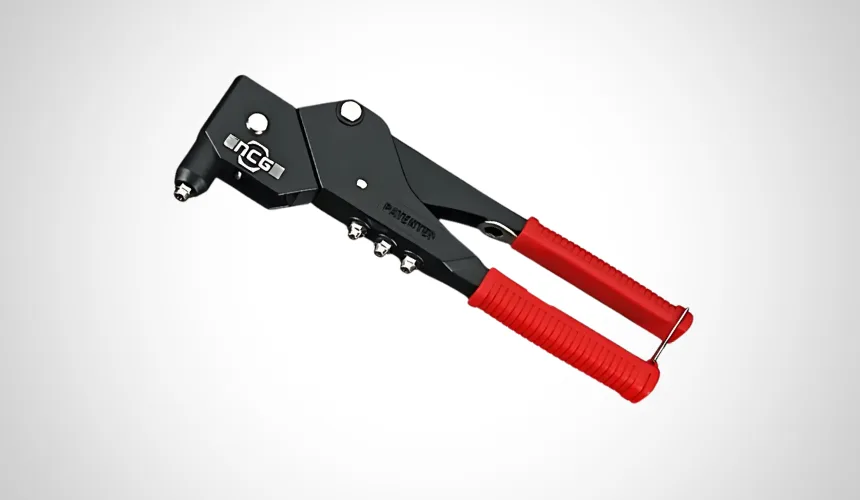
Available sizes
Tool types
- Hand riveter — 2.4 to 4.8 mm
- Heavy-duty hand riveter — 2.4 to 4.8 mm
- Lazy-tong riveter — 3.2 to 6.4 mm
- Pneumatic / battery — to order
All tools come with the full set of nosepieces. A hand riveter cannot set 6.4 mm rivets — you need a lazy-tong or air tool for those.
Available sizes for Rivet Guns: Hand riveter — 2.4 to 4.8 mm, Heavy-duty hand riveter — 2.4 to 4.8 mm, Lazy-tong riveter — 3.2 to 6.4 mm, Pneumatic / battery — to order.
What it is used for
Use a rivet gun to set blind rivets. The tool pulls the rivet tight and snaps off the pin.
Sheet metal work
Setting rivets in ducting, cabinets and enclosures.
Roofing accessories
Joining flashings, gutters and ridge caps on site.
Choosing the right tool
Hand tools handle up to 4.8 mm; bigger rivets need a lazy-tong.
Everyday maintenance
Quick permanent repairs where welding is not practical.
Overview
We stock two classes. Hand riveters cover 2.4 mm to 4.8 mm rivets and suit general fabrication and maintenance. Lazy-tong riveters use a scissor linkage to multiply force, handling 4.8 mm and 6.4 mm rivets including stainless, which a hand tool physically cannot set.
All our tools take interchangeable nosepieces for the full rivet size range and include mandrel collection, because loose mandrels on a workshop floor and inside an assembly are a genuine nuisance.
Hardened, replaceable jaws
The jaws are the wear part on any riveter. Ours are hardened and replaceable, so the tool stays accurate instead of slipping on mandrels.
Lazy-tong for the big sizes
The scissor linkage multiplies hand force enough to set 6.4 mm and stainless rivets that a standard hand tool cannot pull.
Full nosepiece set
Interchangeable nosepieces for 2.4, 3.2, 4.0, 4.8 and 6.4 mm rivets, stored in the handle so they are not lost.
Mandrel collection
Spent mandrels are captured rather than dropped, which matters inside enclosures and on finished assemblies.
Specifications
Standard stock configuration. Non-standard sizes, drives and coatings are made to order — ask us.
| Types stocked | Hand riveter, heavy-duty hand riveter, lazy-tong riveter |
|---|---|
| Rivet capacity (hand) | 2.4, 3.2, 4.0, 4.8 mm |
| Rivet capacity (lazy-tong) | 3.2, 4.0, 4.8, 6.4 mm incl. stainless |
| Nosepieces | Interchangeable set supplied, stored in handle |
| Body | Forged or cast alloy body with steel internals |
| Jaws | Hardened steel, replaceable |
| Handle | Cushion grip with return spring |
| Mandrel collection | Integral collection bottle or chamber |
| Weight | Approx. 0.5–1.2 kg depending on type |
| Pneumatic / battery | Supplied to order for production volumes |
Technical documentation
Exact specifications vary between manufacturers and production batches. Tell us the job and we will confirm the specification before despatch, and send the manufacturer’s datasheet or test certificate for the batch if you need it for a submittal.
Section 1 — Installation
How a rivet gun is used
The tool is simple; the technique is about staying square and pulling in one continuous action. Most poor rivet joints are set by a tool that was rocked mid-pull.
Drawing made for Modern Fastening Solution. Shown for guidance — check against your own job before ordering.
- 1
Fit the nosepiece for the rivet size
An oversized nosepiece lets the rivet head tilt as it sets; an undersized one will not clear the mandrel. Change it whenever the rivet size changes — the thirty seconds is worth it.
- 2
Load the rivet fully into the nose
Push the mandrel in until the rivet head sits flat against the nosepiece. If it wobbles, the wrong nosepiece is fitted.
- 3
Hold square and press the head to the work
Perpendicular to the surface, with the rivet head firmly against the sheet. Any tilt here transfers straight into a lopsided formed head.
- 4
Squeeze in one continuous stroke
Full, steady handle travel. On a hand riveter you may need two or three strokes for the larger sizes — keep the tool absolutely still between them.
- 5
Confirm the break and eject the mandrel
The mandrel should snap at or just below the head. Point the tool down and let it drop into the collector before the next rivet.
Section 2 — Applications
Where rivet guns are used
Anywhere blind rivets are set, from a maintenance toolbox to a production line.
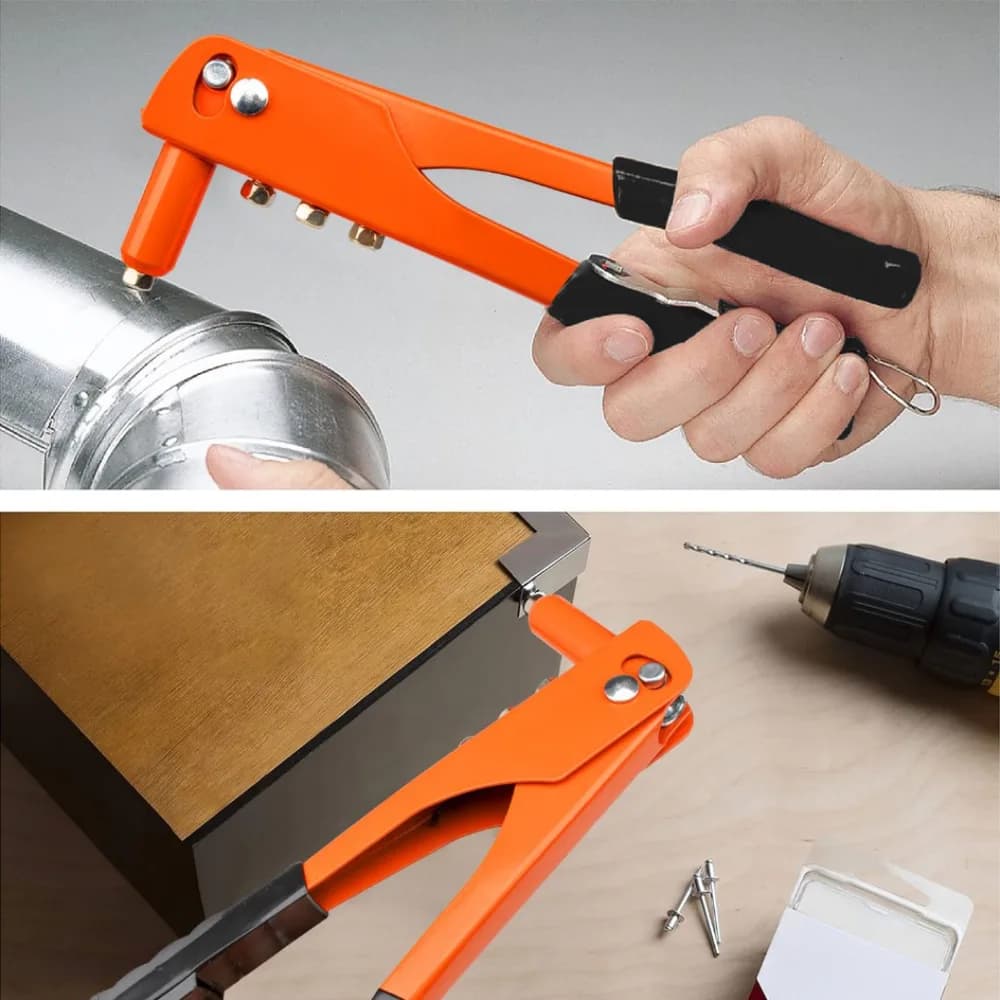
Sheet metal fabrication
Joining panels, enclosures and light assemblies where you can only reach one side.
Roofing and cladding
Flashings, ridge caps, gutters and sheet laps on roofing jobs.

Signage and ACP
Composite panel signage, hoardings and display frames.

Automotive and trailers
Body panels, trims and trailer bodywork in workshops.
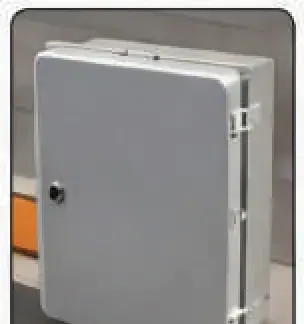
Electrical panels
Enclosure assembly, trunking and cabinet work.

Maintenance
Quick repairs where welding is not practical or safe.
Rivet Guns — questions we get asked
What size rivet gun do I need?
A standard hand riveter covers 2.4 mm to 4.8 mm rivets and handles most general work. For 6.4 mm rivets, or 4.8 mm in stainless, you need a lazy-tong or pneumatic tool — a hand riveter physically cannot generate the pull force.
Why does my rivet gun keep slipping on the mandrel?
Worn or dirty jaws, almost always. Strip the nose assembly, clean out the accumulated mandrel debris and inspect the jaw teeth. If they are rounded, replace them — jaws are a consumable, not a permanent part of the tool.
Can one gun set every rivet size?
Within its force capacity, yes — you swap the nosepiece to match the rivet diameter. What no single tool does is span from 2.4 mm up to 6.4 mm stainless; that needs two classes of tool.
Do you supply pneumatic rivet tools?
Yes, to order. Tell us your rivet size, material and daily volume and we will recommend an appropriate pneumatic or battery tool. For sustained production riveting, a powered tool pays for itself quickly in operator fatigue alone.
Request a price for Rivet Guns
Send us the sizes and quantities and we will come back with a price, usually the same working day. Not sure of the size? Describe the job and we will work it out.
Often ordered with this
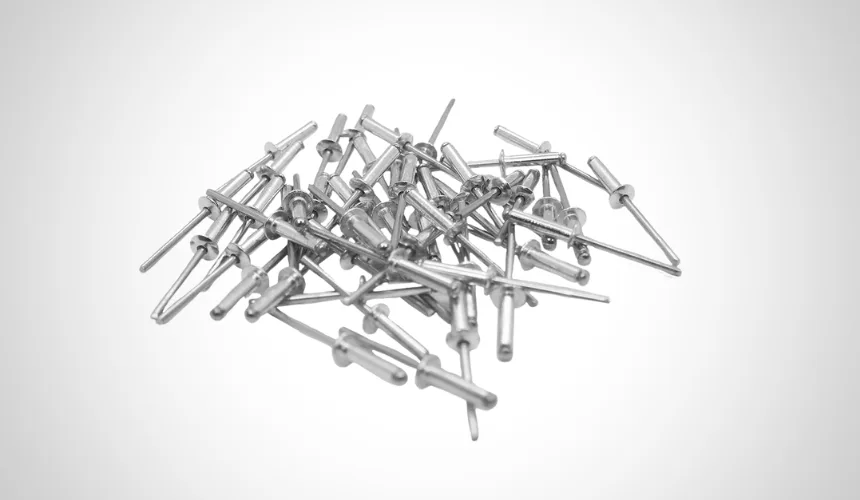
Anchors & Rivets
Blind Rivets
Permanent one-sided joints in sheet and thin section
View specifications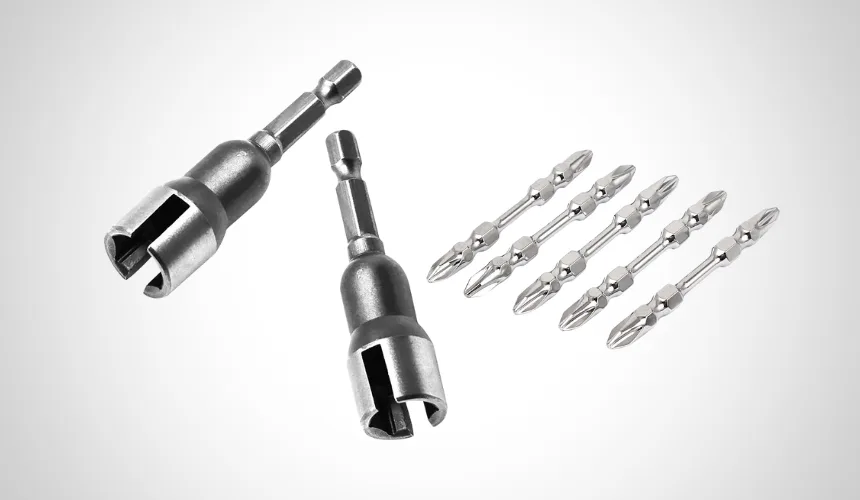
Accessories
Sockets, Nut Setters & Driver Bits
The driving end of every fastener you install
View specifications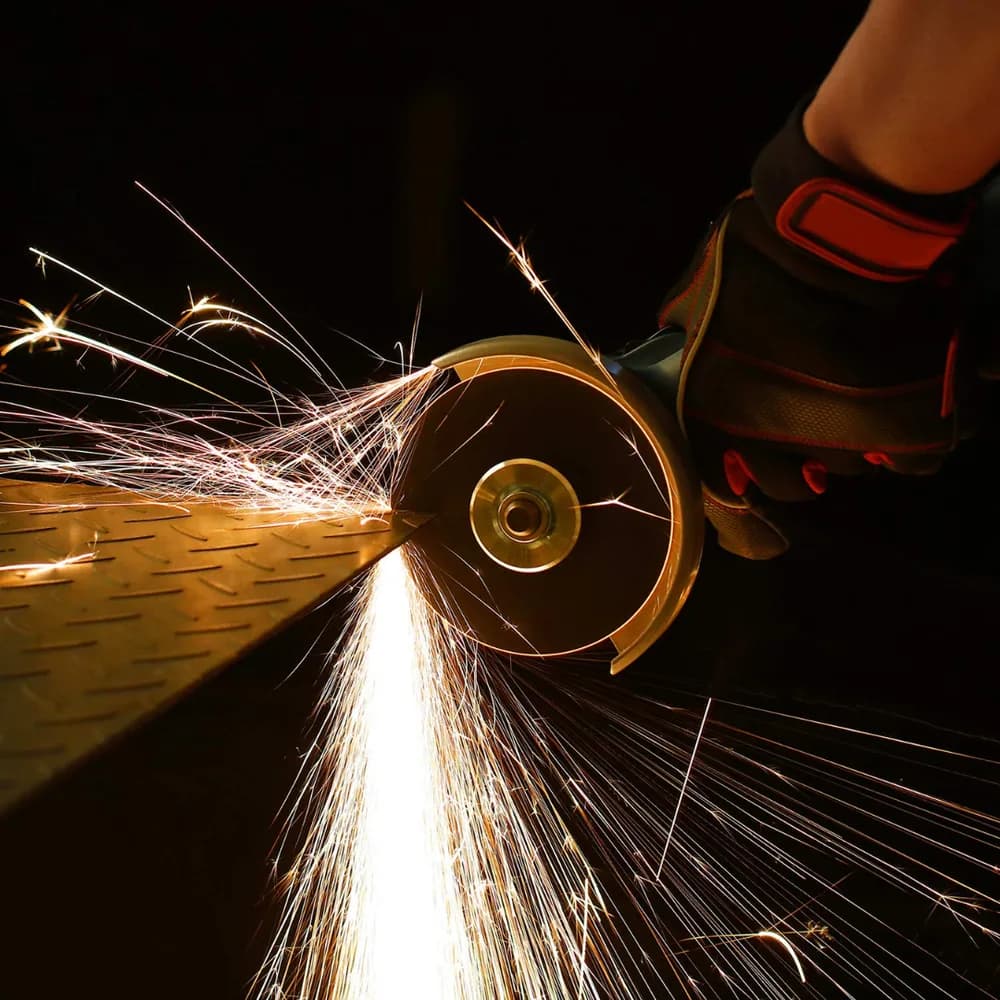
Accessories
Cut-Off Wheels
Thin reinforced wheels for fast, clean metal cutting
View specifications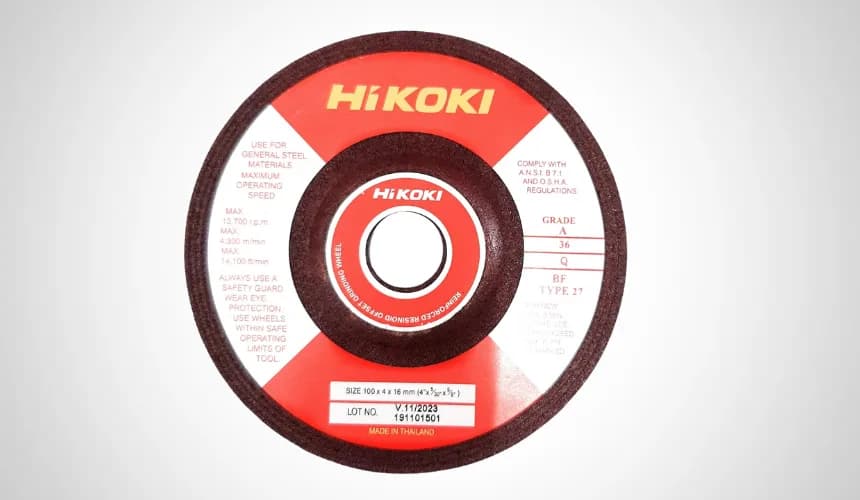
Accessories
Grinding Wheels
Depressed centre wheels for weld dressing and stock removal
View specificationsTell us what you need
Send us the sizes and quantities, a photo, or just a description of the job. Most quotations go out the same working day.
Monday – Saturday, 9:30 AM – 7:00 PM · Delivery across Bengaluru, Karnataka and all India