
Cut-Off Wheels
Thin reinforced wheels for fast, clean metal cutting
A cut-off wheel is a consumable engineered around a trade-off: thin enough to cut fast with minimum material loss, strong enough not to shatter at 13,000 rpm. Fibreglass mesh reinforcement is what makes that possible, and it is the first thing to check when comparing wheels on price.
Stocked in Bengaluru · Special sizes made to order · Bulk rates available
Available sizes
Diameter × thickness
- 4" (100 mm) × 1.0 mm
- 4" (100 mm) × 1.6 mm
- 4.5" (115 mm) × 1.6 mm
- 5" (125 mm) × 2.0 mm
- 7" (180 mm) × 2.0 mm
- 9" (230 mm) × 2.5 mm
- 12" (300 mm) × 3.0 mm
- 14" (355 mm) × 3.0 mm
Available in general steel grade and inox grade for stainless. Bore sizes 16 mm, 22.23 mm and 25.4 mm.
Available sizes for Cut-Off Wheels: 4" (100 mm) × 1.0 mm, 4" (100 mm) × 1.6 mm, 4.5" (115 mm) × 1.6 mm, 5" (125 mm) × 2.0 mm, 7" (180 mm) × 2.0 mm, 9" (230 mm) × 2.5 mm, 12" (300 mm) × 3.0 mm, 14" (355 mm) × 3.0 mm.
What it is used for
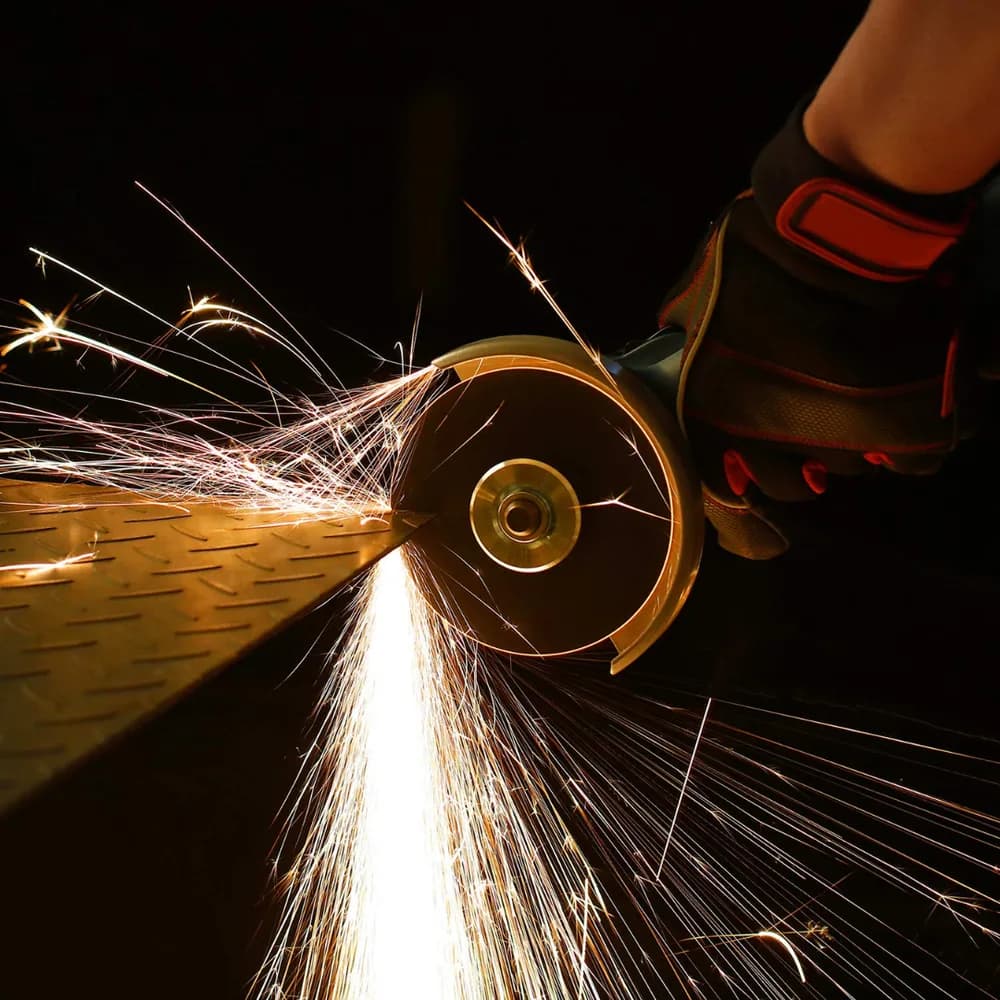
Use a cut-off wheel to cut metal to length with an angle grinder.
Cutting steel
Bar, angle, tube, plate and section, cut to size on site or on the bench.
Cutting rebar
Trimming reinforcement bar and threaded rod.
Stainless steel
Use an inox wheel — a normal wheel leaves iron behind that rusts.
Thin is faster
A 1 mm wheel cuts quicker with less heat and less waste.
Overview
Grade matters as much as thickness. Wheels for stainless must be iron, sulphur and chlorine free — contaminant-free, or inox grade — because those elements embed in the cut face and cause rust staining on steel that should never rust.
We stock 4 inch through 14 inch wheels from 1 mm to 3 mm thick in general steel and inox grades, in trade quantities, with the safety data and speed ratings that a serious workshop needs on file.
Double fibreglass reinforced
Two layers of mesh give the burst resistance that makes a thin wheel safe at full grinder speed.
Inox grade for stainless
Iron, sulphur and chlorine free formulations that will not contaminate the cut face and cause downstream rust staining.
1 mm for fast, clean cuts
Thin wheels cut quickly with a narrow kerf and less heat, which means less discolouration and less material loss.
Correctly rated and marked
Every wheel carries its maximum operating speed and expiry date. Abrasive wheels have a shelf life and we supply fresh stock.
Specifications
Standard stock configuration. Non-standard sizes, drives and coatings are made to order — ask us.
| Diameters | 100 mm (4"), 115 mm, 125 mm, 180 mm, 230 mm, 300 mm, 355 mm (14") |
|---|---|
| Thickness | 1.0, 1.6, 2.0, 2.5, 3.0 mm |
| Bore | 16 mm, 22.23 mm (7/8"), 25.4 mm |
| Abrasive | Aluminium oxide (steel), zirconia alumina (high performance) |
| Reinforcement | Double fibreglass mesh |
| Grades | General steel, inox / contaminant free, rebar, cast iron |
| Max speed | 80 m/s standard — marked on every wheel |
| Bond | Resinoid (BF) |
| Shelf life | 3 years from manufacture, date stamped |
| Packing | 25 / 50 pc boxes |
Technical documentation
Exact specifications vary between manufacturers and production batches. Tell us the job and we will confirm the specification before despatch, and send the manufacturer’s datasheet or test certificate for the batch if you need it for a submittal.
Section 1 — Installation
How cut-off wheels are used
Abrasive wheels are the most dangerous consumable in most workshops. Everything below is as much about not being hurt as it is about cutting well.
Drawing made for Modern Fastening Solution. Shown for guidance — check against your own job before ordering.
- 1
Check the wheel before mounting
Confirm the maximum rpm on the wheel exceeds the grinder's rated speed, check the expiry date, and inspect for cracks or chips. Ring-test if in doubt. A wheel past its date has a degraded bond and can burst.
- 2
Mount with the correct flanges and fit the guard
Matched flanges either side, tightened firmly but not over-torqued. The guard stays on — it is the only thing between the operator and a bursting wheel.
- 3
Cut straight, never twist
A cut-off wheel is designed for radial load only. Any lateral or twisting force can crack it. Keep the cut line straight and let the wheel follow its own kerf.
- 4
Let the wheel do the work
Light, steady pressure. Forcing it glazes the abrasive and overheats the workpiece; a properly loaded wheel wears steadily and keeps cutting.
- 5
Keep the kerf open on section
When cutting pipe or beam, support both sides so the cut cannot close and pinch the wheel. Pinching is the most common cause of wheel breakage and kickback.
Section 2 — Applications
Where cut-off wheels are used
Anywhere metal has to be cut to length on site or on the bench without a saw.
Steel fabrication
Cutting section, plate, angle and box in the workshop.
Construction sites
Cutting rebar, conduit, threaded rod and section to length on site.
Roofing and cladding
Trimming sheet, purlin and flashing to fit.
Maintenance and repair
Cutting out seized bolts, brackets and damaged section.
Stainless fabrication
Iron and sulphur free wheels so the cut does not contaminate the steel.
Automotive and workshop
Exhausts, chassis work and general cutting in vehicle workshops.
Cut-Off Wheels — questions we get asked
What thickness cut-off wheel should I use?
1.0 mm for fast, clean cuts in thin section and sheet with minimum heat. 1.6 to 2.0 mm for general steel work. 2.5 to 3.0 mm for heavy section and rebar, where wheel life and stability matter more than cutting speed.
Can I use the same wheel on steel and stainless?
You should not. Standard wheels contain iron and sulphur that embed in the stainless cut face and cause rust staining later. Use a contaminant-free inox wheel for stainless, and keep the two clearly separated in the workshop.
Do cut-off wheels expire?
Yes. Resinoid-bonded wheels have a shelf life of about three years from manufacture, and the date is stamped on every wheel. The bond degrades with age and humidity, and an expired wheel is at meaningfully higher risk of bursting.
Why does my cut-off wheel keep breaking?
Usually pinching — the cut closes on the wheel as the workpiece sags. Support both sides of the cut. The other common causes are twisting the grinder mid-cut and using a cutting wheel for grinding.
Request a price for Cut-Off Wheels
Send us the sizes and quantities and we will come back with a price, usually the same working day. Not sure of the size? Describe the job and we will work it out.
Often ordered with this
Accessories
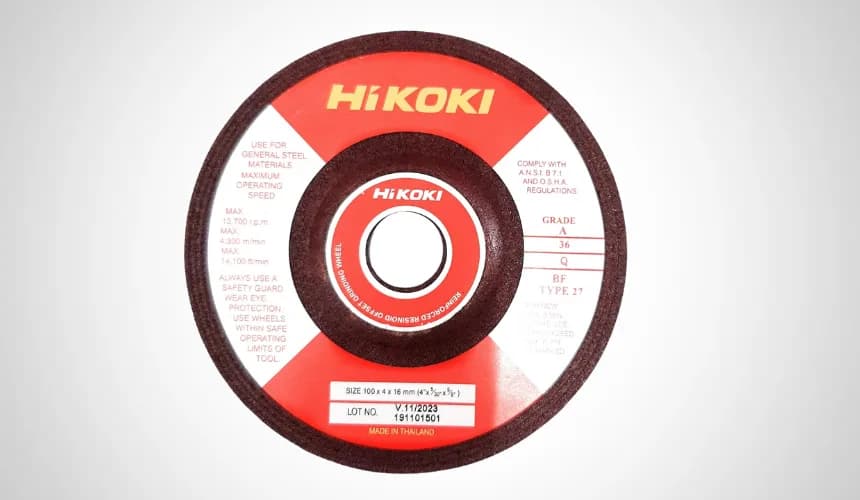
Grinding Wheels
Depressed centre wheels for weld dressing and stock removal
View specifications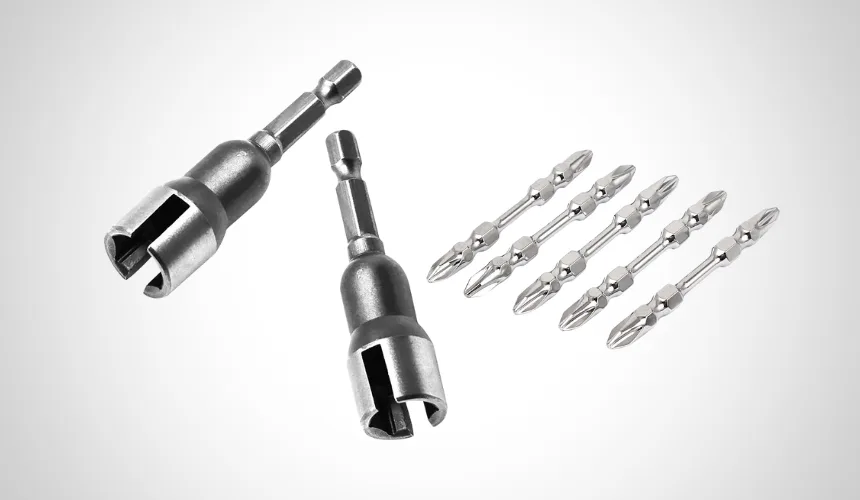
Accessories
Sockets, Nut Setters & Driver Bits
The driving end of every fastener you install
View specifications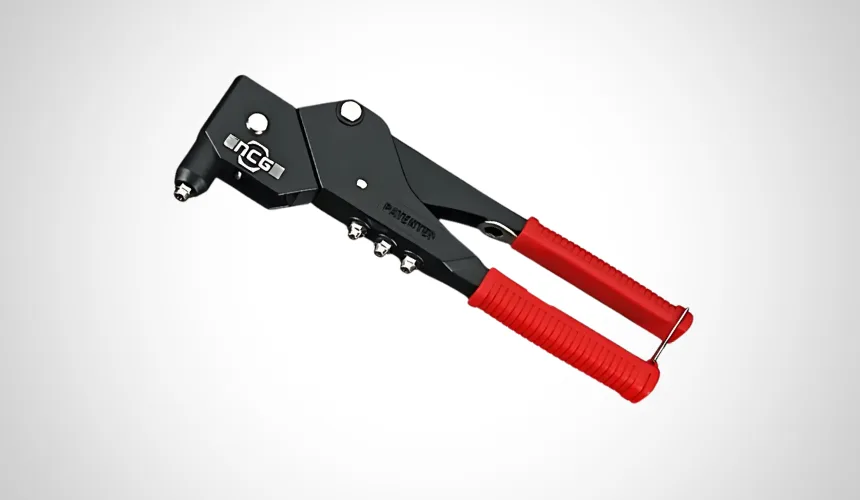
Accessories
Rivet Guns
Hand and lazy-tong tools for setting blind rivets
View specifications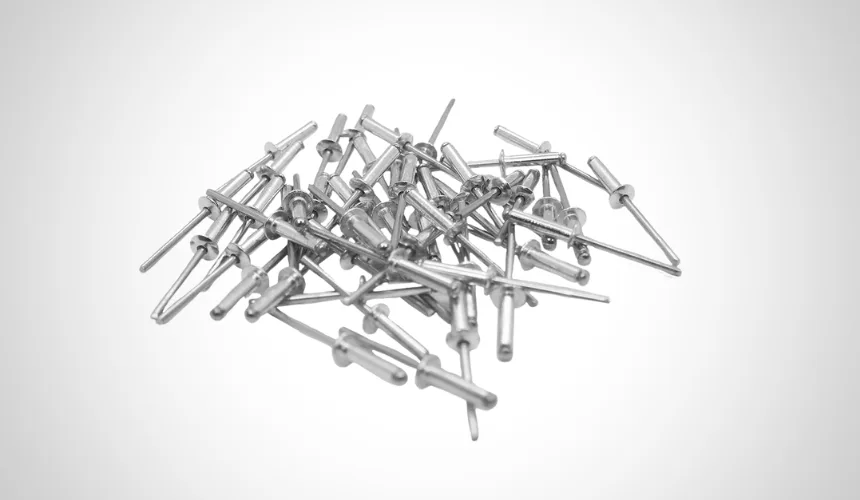
Anchors & Rivets
Blind Rivets
Permanent one-sided joints in sheet and thin section
View specificationsTell us what you need
Send us the sizes and quantities, a photo, or just a description of the job. Most quotations go out the same working day.
Monday – Saturday, 9:30 AM – 7:00 PM · Delivery across Bengaluru, Karnataka and all India