
Grinding Wheels
Depressed centre wheels for weld dressing and stock removal
A grinding wheel removes material through its face, and everything about it differs from a cut-off wheel as a result: it is much thicker, it has a depressed centre so the hub clears the work at an angle, and it is built to take the lateral load that would destroy a cutting disc.
Stocked in Bengaluru · Special sizes made to order · Bulk rates available
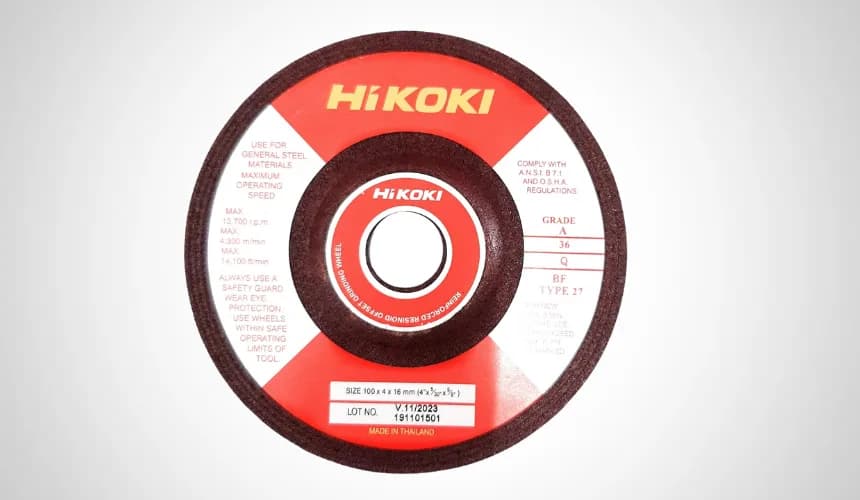
Available sizes
Diameter × thickness
- 4" (100 mm) × 4.0 mm
- 4" (100 mm) × 6.0 mm
- 4.5" (115 mm) × 6.0 mm
- 5" (125 mm) × 6.0 mm
- 7" (180 mm) × 6.5 mm
- 9" (230 mm) × 8.0 mm
Aluminium oxide for general steel, zirconia for stainless and heavy stock removal. Bore 16 mm or 22.23 mm.
Available sizes for Grinding Wheels: 4" (100 mm) × 4.0 mm, 4" (100 mm) × 6.0 mm, 4.5" (115 mm) × 6.0 mm, 5" (125 mm) × 6.0 mm, 7" (180 mm) × 6.5 mm, 9" (230 mm) × 8.0 mm.
What it is used for
Use a grinding wheel to smooth down welds and remove metal. It is not the same as a cutting wheel.
Weld dressing
Grinding welds flat and preparing joints before welding.
Deburring
Cleaning up sharp edges after cutting.
Stainless work
Keep a separate zirconia wheel for stainless to avoid rust marks.
Never cut with it
A grinding wheel is thick and made for the face, not the edge.
Overview
The two are not interchangeable in either direction. Using a cut-off wheel to grind is genuinely dangerous. Using a grinding wheel to cut is merely slow and wasteful.
We stock depressed centre grinding wheels from 4 inch to 9 inch, 4 mm to 8 mm thick, in aluminium oxide for general steel and zirconia for high stock removal and stainless, all double-reinforced and speed rated.
Depressed centre for 30° working
The offset hub lets the wheel be worked at the 20–30° angle that gives the fastest, most controlled stock removal.
Built for face loading
Thickness and reinforcement designed for the lateral force that grinding applies — the exact load a cutting wheel cannot take.
Zirconia for stainless and hard alloys
Self-sharpening zirconia grain cuts cooler and lasts longer than aluminium oxide on stainless and high-tensile steels.
Speed rated and date stamped
Maximum operating speed and manufacture date on every wheel — the basic safety information every workshop should be checking.
Specifications
Standard stock configuration. Non-standard sizes, drives and coatings are made to order — ask us.
| Diameters | 100 mm (4"), 115 mm, 125 mm, 180 mm, 230 mm (9") |
|---|---|
| Thickness | 4.0, 6.0, 6.5, 8.0 mm |
| Bore | 16 mm, 22.23 mm (7/8") |
| Abrasive | Aluminium oxide (A), zirconia alumina (Z) |
| Shape | Type 27 depressed centre; Type 42 available |
| Reinforcement | Double fibreglass mesh |
| Max speed | 80 m/s — marked on every wheel |
| Working angle | 20–30° to the workpiece |
| Shelf life | 3 years from manufacture, date stamped |
| Packing | 10 / 25 pc boxes |
Technical documentation
Exact specifications vary between manufacturers and production batches. Tell us the job and we will confirm the specification before despatch, and send the manufacturer’s datasheet or test certificate for the batch if you need it for a submittal.
Section 1 — Installation
How grinding wheels are used
Angle and pressure are the whole technique. Too flat and the wheel skates and glazes; too steep and it gouges. Between 20 and 30 degrees is where a grinding wheel actually works.
Drawing made for Modern Fastening Solution. Shown for guidance — check against your own job before ordering.
- 1
Check speed rating, date and condition
The wheel's maximum rpm must exceed the grinder's rated speed. Check the expiry date and inspect for cracks before mounting. Wheels degrade on the shelf.
- 2
Mount with matched flanges and the guard on
Correct flanges either side, guard positioned between the wheel and the operator. Never run a grinding wheel with the guard removed.
- 3
Work at 20–30 degrees
This angle presents the right contact area for efficient cutting. Flatter and the wheel glazes; steeper and it digs in and chatters.
- 4
Use moderate, steady pressure
Let the abrasive cut. Heavy pressure overheats the workpiece, blues the steel and wears the wheel far faster than it removes material.
- 5
Keep the wheel moving
Continuous sweeping passes rather than holding in one spot. Stationary grinding builds a heat-affected zone and can distort thin material.
Section 2 — Applications
Where grinding wheels are used
Fabrication and maintenance work, wherever metal has to be dressed, deburred or shaped after cutting or welding.
Weld dressing
Grinding weld caps flush before paint or galvanising.
Steel fabrication
Deburring, edge preparation and stock removal in the workshop.
Construction sites
Dressing cut ends, cleaning up concrete splatter and site corrections.
Stainless fabrication
Contaminant-free wheels for stainless so the finish does not rust later.
Maintenance and repair
Cleaning up damaged plant, brackets and worn edges.
Workshop and automotive
General grinding, chassis and bodywork preparation.
Grinding Wheels — questions we get asked
What is the difference between a grinding wheel and a cut-off wheel?
A grinding wheel is 4–8 mm thick with a depressed centre and removes material through its face. A cut-off wheel is 1–3 mm thick, flat, and cuts with its edge only. They are not interchangeable — grinding with a cut-off wheel is a serious safety hazard.
What angle should I hold a grinding wheel at?
20 to 30 degrees to the workpiece. That presents the correct contact area for efficient stock removal. Working too flat glazes the wheel; too steep makes it gouge and chatter.
Aluminium oxide or zirconia?
Aluminium oxide is the economical choice for general carbon steel work. Zirconia grain is self-sharpening, cuts cooler and lasts significantly longer on stainless, high-tensile steel and heavy stock removal — it costs more per wheel and usually less per kilogram removed.
Can I use a grinding wheel on stainless steel?
Yes, but use a wheel dedicated to stainless and preferably a zirconia grade. A wheel previously used on carbon steel will transfer iron particles that rust on the stainless surface within weeks.
Request a price for Grinding Wheels
Send us the sizes and quantities and we will come back with a price, usually the same working day. Not sure of the size? Describe the job and we will work it out.
Often ordered with this
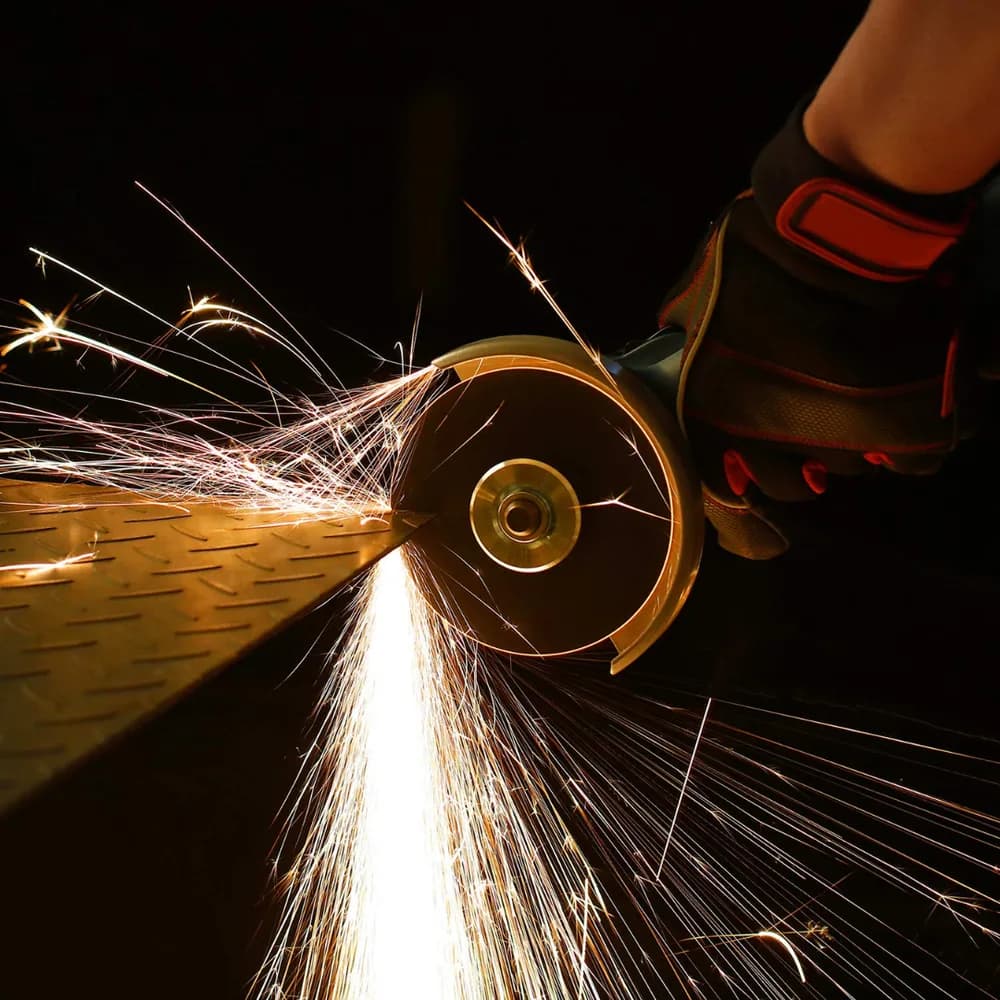
Accessories
Cut-Off Wheels
Thin reinforced wheels for fast, clean metal cutting
View specifications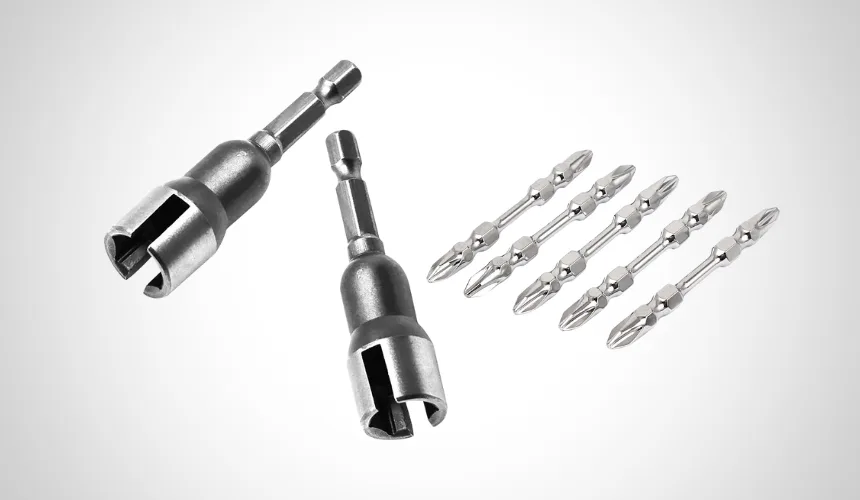
Accessories
Sockets, Nut Setters & Driver Bits
The driving end of every fastener you install
View specifications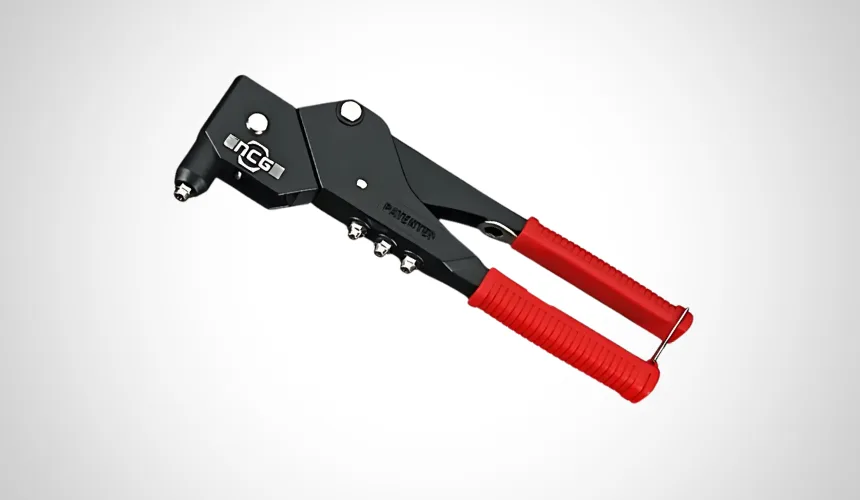
Accessories
Rivet Guns
Hand and lazy-tong tools for setting blind rivets
View specifications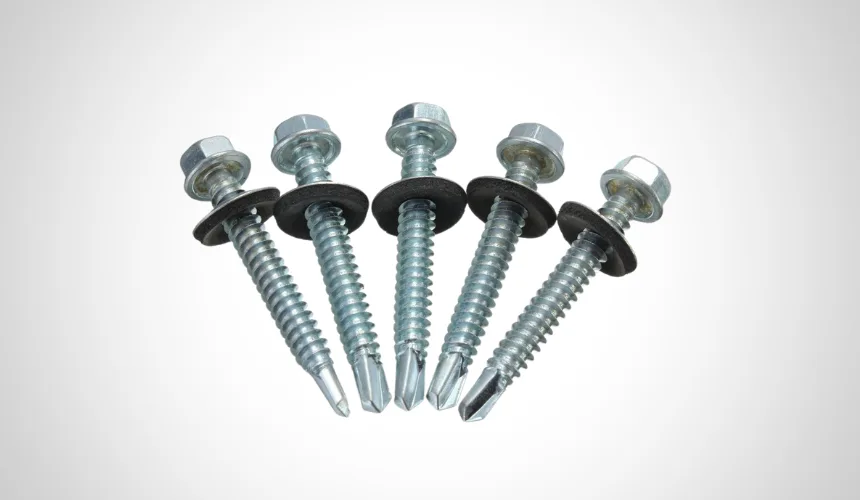
Self Drilling Screws
Self Drilling Hex Head Screws — Zinc Plated
SDS hex screws / roofing screws — the standard screw for roofing and cladding
View specificationsTell us what you need
Send us the sizes and quantities, a photo, or just a description of the job. Most quotations go out the same working day.
Monday – Saturday, 9:30 AM – 7:00 PM · Delivery across Bengaluru, Karnataka and all India