
Drywall Screw — Nickel
Bright finish with better rust resistance
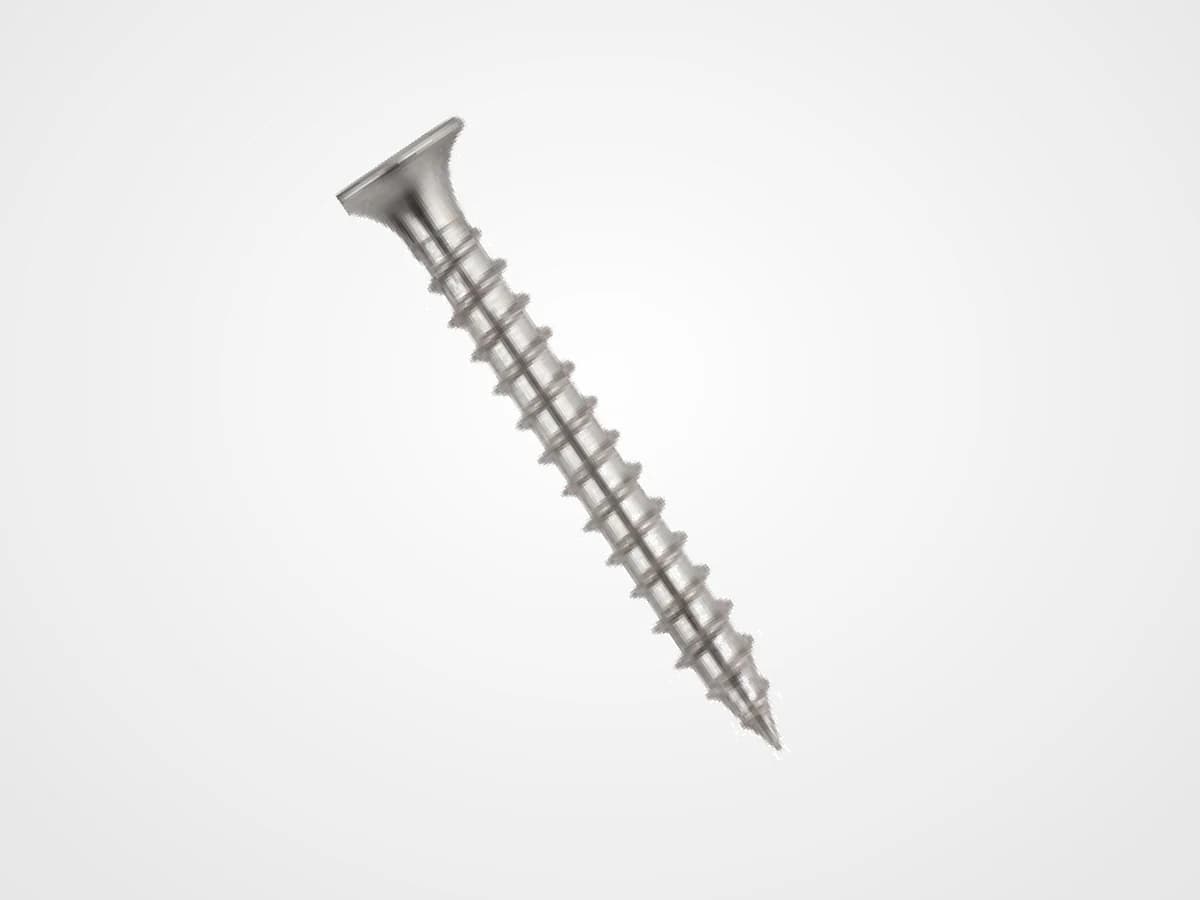
Same screw as the black drywall screw, with a bright nickel finish instead of phosphate.
Stocked in Bengaluru · Special sizes made to order · Bulk rates available
Available sizes
Dia × Length (mm)
- 6 x 13
- 6 x 16
- 6 x 19
- 6 x 25
- 6 x 32
- 6 x 38
- 6 x 50
- 6 x 60
- 6 x 75
- 8 x 19
- 8 x 25
- 8 x 32
- 8 x 38
- 8 x 50
6 gauge and 8 gauge, same range as the black screw. Coarse and fine thread both available.
Available sizes for Drywall Screw — Nickel: 6 x 13, 6 x 16, 6 x 19, 6 x 25, 6 x 32, 6 x 38, 6 x 50, 6 x 60, 6 x 75, 8 x 19, 8 x 25, 8 x 32, 8 x 38, 8 x 50.
What it is used for
Use the nickel screw indoors where it may get humid, or where the screw heads will be seen.
Humid rooms
Holds up better than black in kitchens, utility areas and coastal interiors.
Visible fixings
The bright clean finish looks deliberate where screws are on show.
Furniture and panelling
Common choice for interior joinery and wall panelling.
Still indoor only
Better than black, but not an outdoor screw. Use zinc for anything exposed.
Overview
Nickel gives noticeably better protection against rust than the black coating, so it holds up in rooms that get humid. It also looks clean and bright, which matters when the screw heads will be visible.
Popular for furniture work, panelling and any interior job where the fixings show.
Better rust resistance
Clearly outlasts the black phosphate finish in humid interiors.
Clean bright look
Looks finished where the screw heads stay visible.
Same bugle head
Dimples the board face the same way, so it fills and paints the same.
Same size range
Directly interchangeable with the black screw.
Specifications
Standard stock configuration. Non-standard sizes, drives and coatings are made to order — ask us.
| Head | Bugle head, Phillips PH2 drive |
|---|---|
| Thread | Coarse for timber, fine for steel studs |
| Point | Sharp needle point |
| Material | Hardened carbon steel |
| Diameter range | 6 gauge and 8 gauge |
| Length range | 13 mm to 75 mm |
| Substrate | Gypsum board, fibre cement, calcium silicate board |
| Typical spacing | 200–300 mm along studs, 150–200 mm at board edges |
| Packing | 250 / 500 / 1000 piece boxes |
Technical documentation
Exact specifications vary between manufacturers and production batches. Tell us the job and we will confirm the specification before despatch, and send the manufacturer’s datasheet or test certificate for the batch if you need it for a submittal.
Section 1 — Installation
How to fit it
Board fixing is all about depth. Every screw needs to sit just below the surface with the paper face still intact, and doing that a few hundred times in a row is what a depth stop is for.
Drawing made for Modern Fastening Solution. Shown for guidance — check against your own job before ordering.
- 1
Match the thread to the stud
Fine thread for steel studs, coarse for timber. A coarse thread in thin steel will just spin and never tighten.
- 2
Pick the right length
For 12.5 mm board, 25 mm on steel studs and 32 mm on timber. Add the second board thickness if you are double layering.
- 3
Use a depth stop
Set it so the head finishes just below the surface with the paper dimpled but not broken. This turns hundreds of judgement calls into one setting.
- 4
Press the board tight to the stud
Push the board firmly against the framing as you drive. Screwing across a gap is what causes screws to pop through the finish months later.
- 5
Follow the spacing
Roughly 200–300 mm along studs and 150–200 mm at board edges, staying 10–15 mm in from the edge.
Section 2 — Applications
Where it is used
Interior walls and ceilings, in every kind of building.
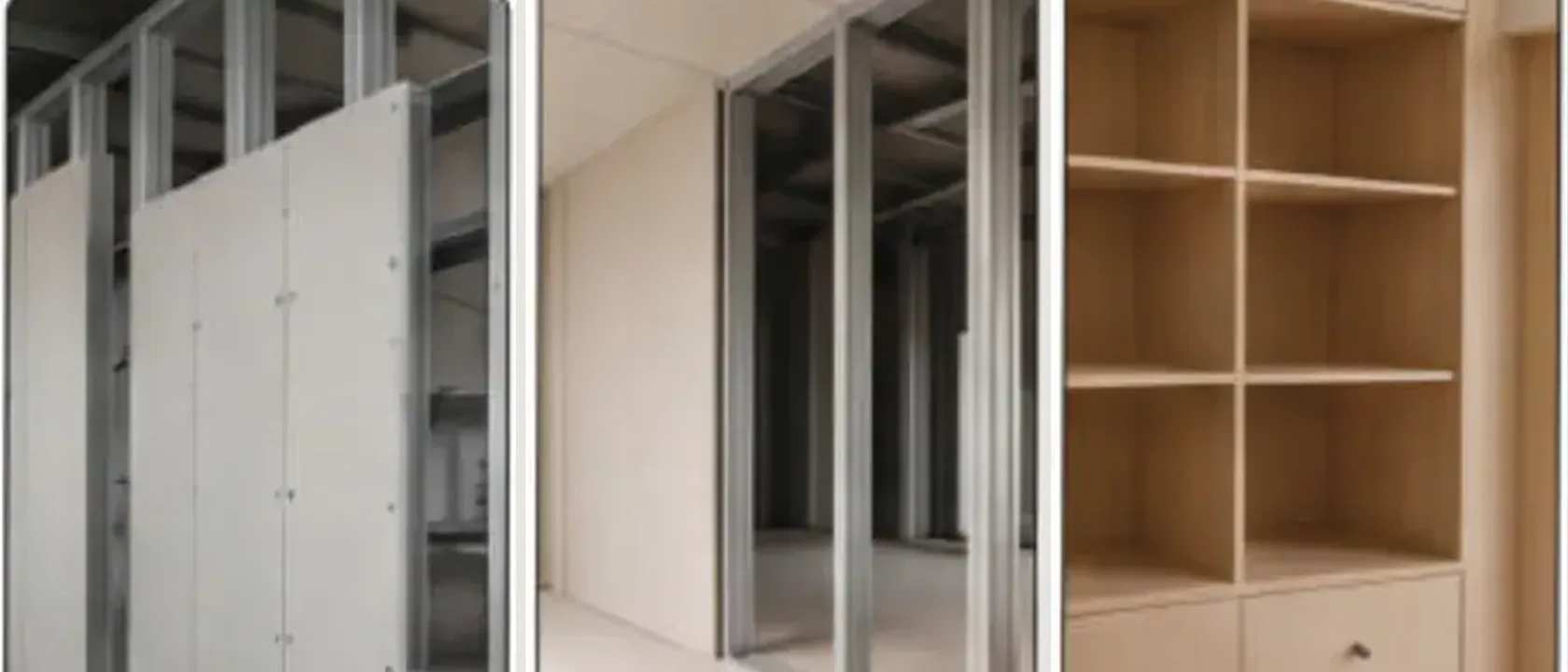
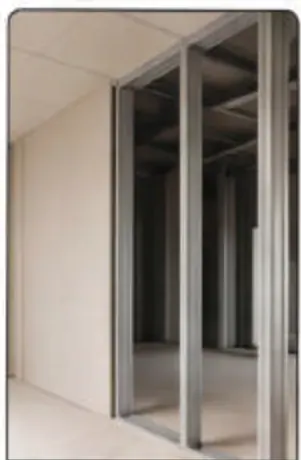
Drywall partitions
Gypsum board fixed to steel stud or timber partition framing.
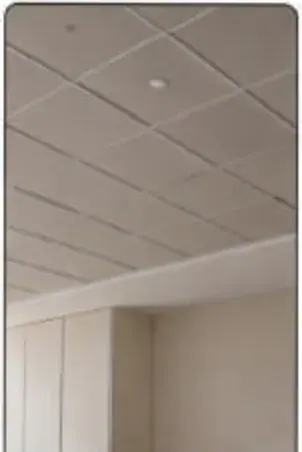
False ceilings
Board and tile ceiling systems fixed up to the ceiling grid.
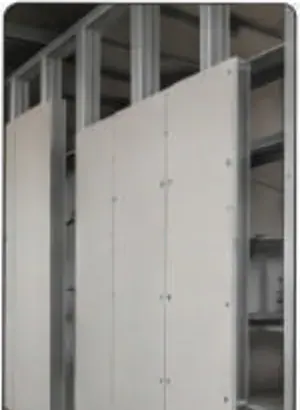
Metal stud framing
Board on light-gauge steel stud framing in commercial fit-out.
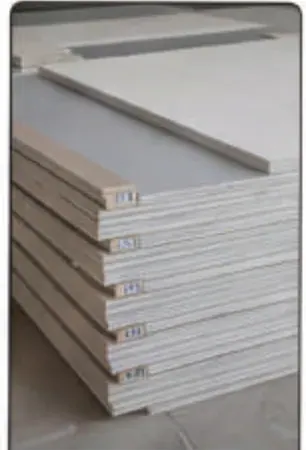
Gypsum board installation
Boarding out walls and bulkheads on site.
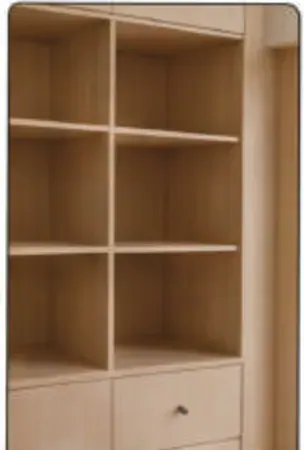
Wood to drywall applications
Fixing timber battens, trims and carcassing against boarded walls.
Drywall Nickel — questions we get asked
What is the difference between nickel and black drywall screws?
The screw is the same — only the finish differs. Nickel resists rust better and looks brighter. Black is cheaper and fine for dry rooms.
Can I use nickel screws in a bathroom?
For the framing behind the board, yes. For a wet area that gets splashed directly, use the zinc screw or a stainless screw.
Are the sizes the same as black?
Yes, identical — 6 x 13 mm up to 8 x 50 mm. You can swap between them freely.
Do these work with an auto-feed screwdriver?
Yes. Tell us when ordering and we will supply them collated in strips.
Request a price for Drywall Nickel
Send us the sizes and quantities and we will come back with a price, usually the same working day. Not sure of the size? Describe the job and we will work it out.
Often ordered with this
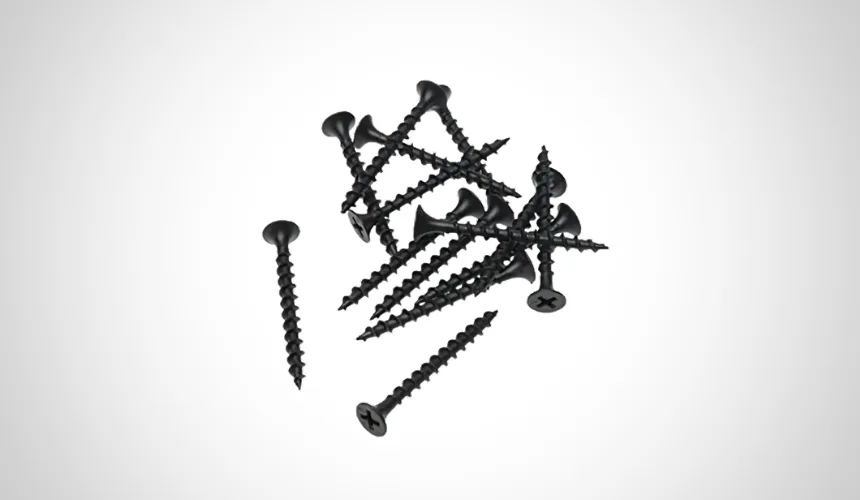
Drywall & Wood Screws
Drywall Screw — Black
The standard indoor drywall screw
View specifications
Drywall & Wood Screws
Drywall Screw — Zinc
For damp areas and semi-exposed work
View specifications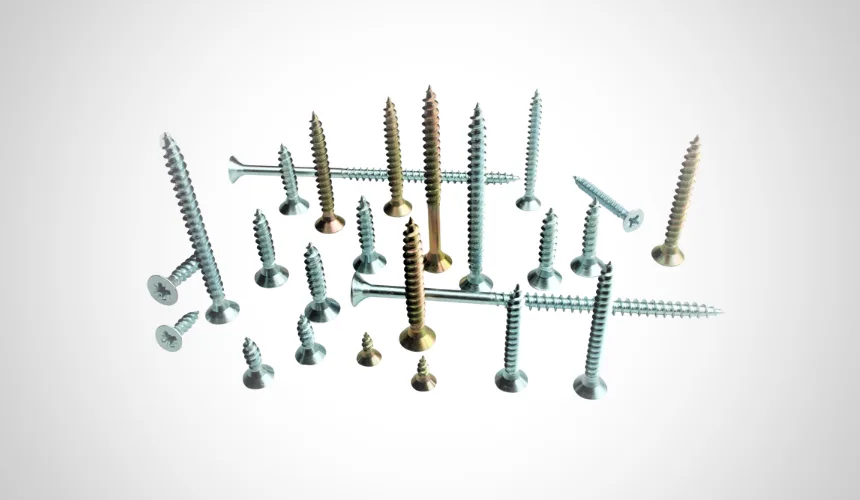
Drywall & Wood Screws
Chipboard Screws
Pulls timber and board tightly together
View specifications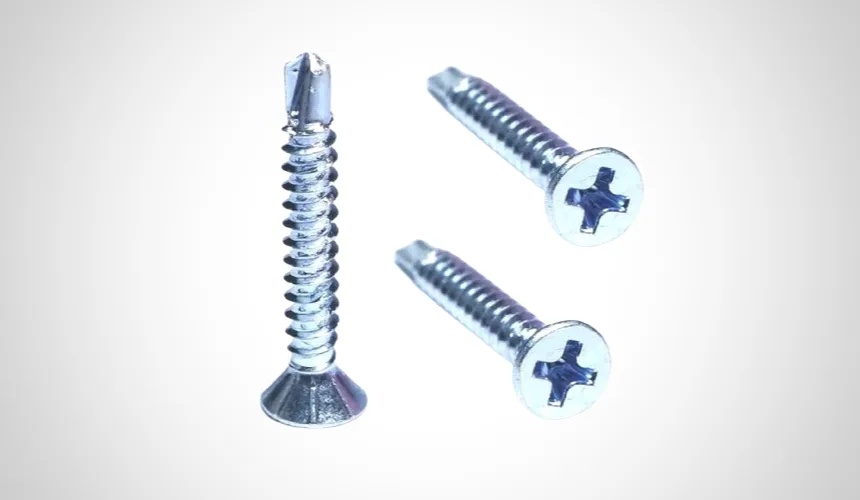
Self Drilling Screws
SDS CSK Head Screws
Countersunk head that finishes flush
View specificationsTell us what you need
Send us the sizes and quantities, a photo, or just a description of the job. Most quotations go out the same working day.
Monday – Saturday, 9:30 AM – 7:00 PM · Delivery across Bengaluru, Karnataka and all India